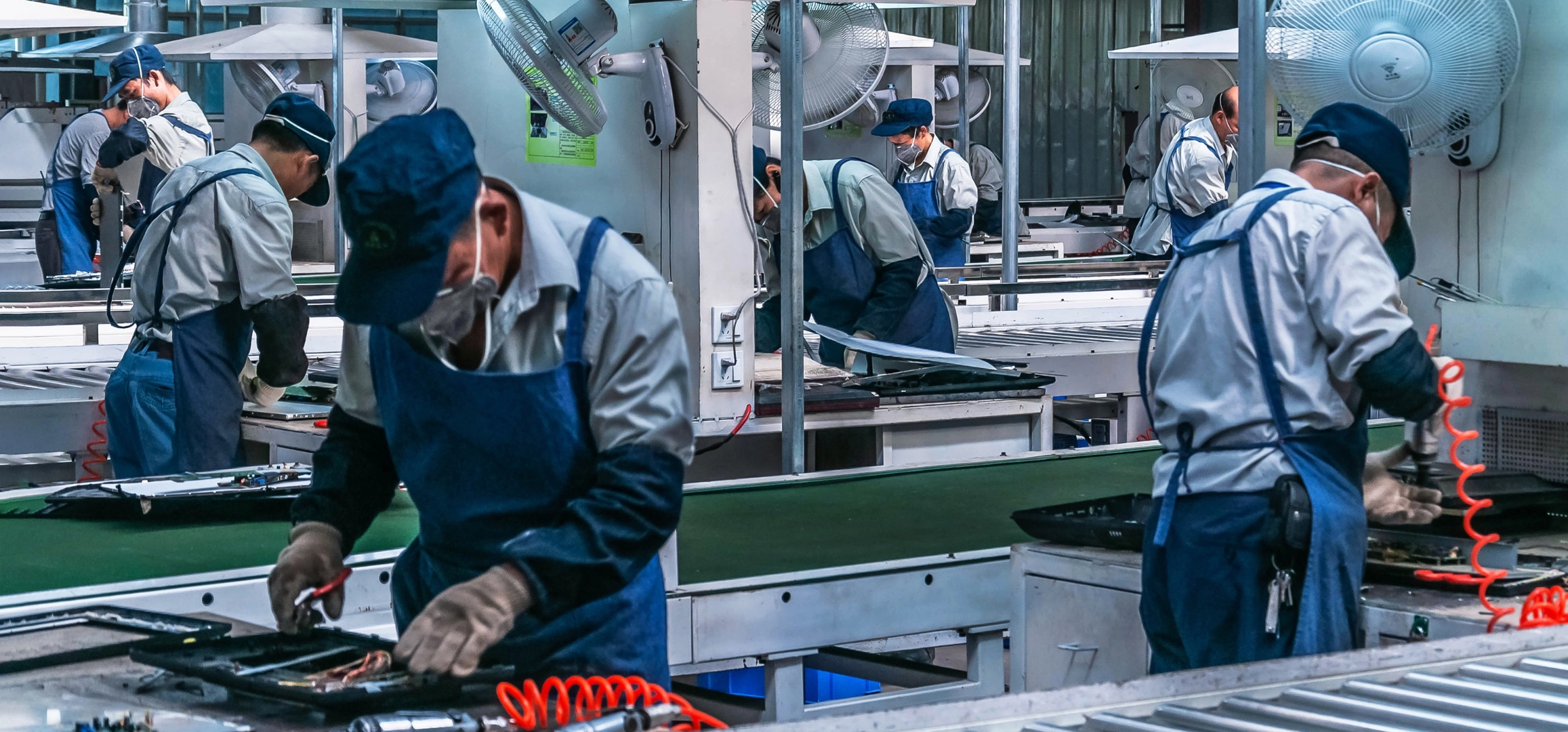
Differences Between Sheet Metal Bending and Industrial Fabrication
Although both processes are part of steelworking, sheet metal bending and industrial fabrication have key differences in techniques, materials, and applications.
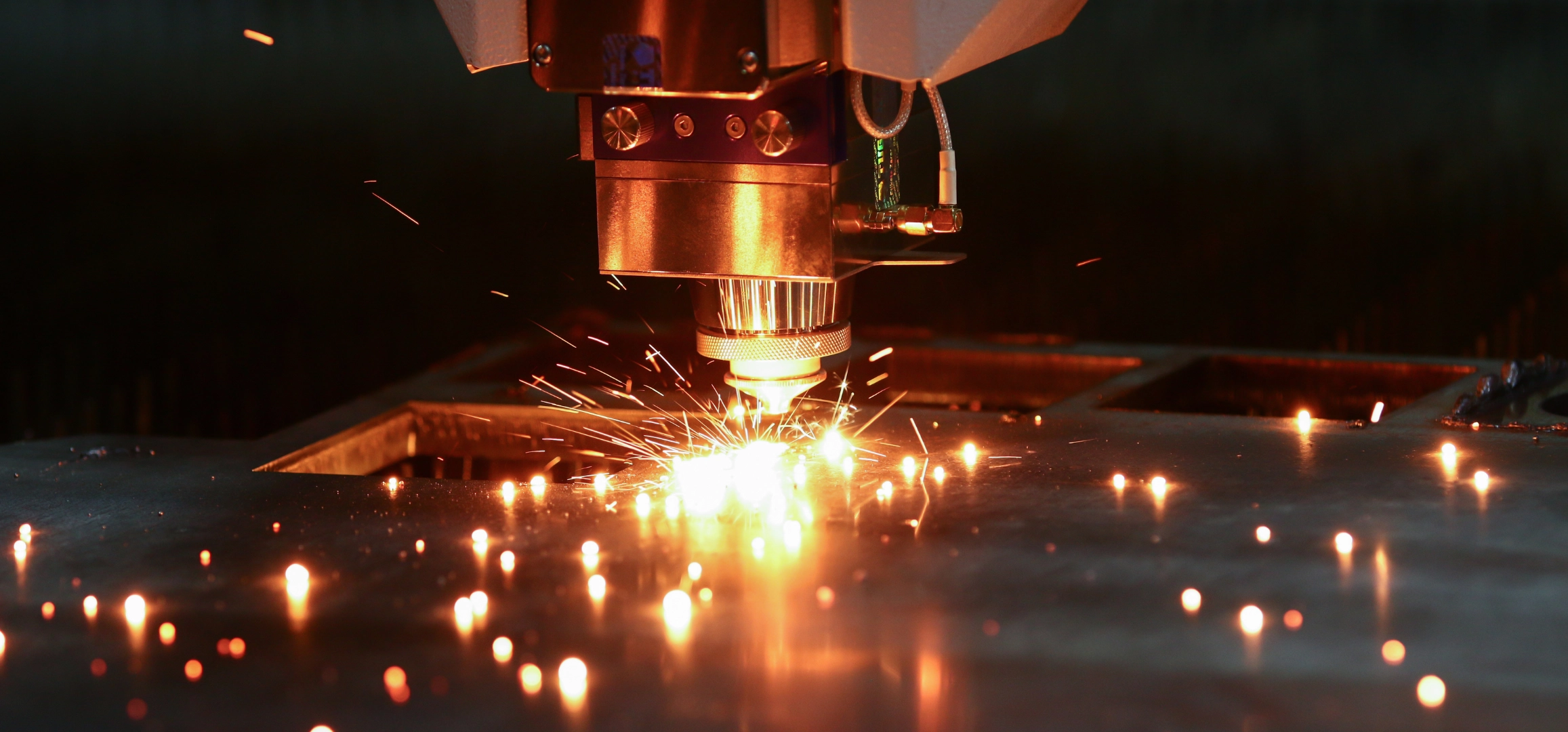
Precision, speed, and adaptability for your industrial processes
At FORMEC, we provide sheet metal cutting and bending services using advanced technologies such as laser cutting, plasma cutting, CNC oxy-fuel cutting, and precision press brakes. Each process is tailored to your design requirements, material thickness, production volume, and tolerances—ensuring functional and efficient results.
Laser cutting is one of the cleanest and most precise methods for processing metal sheets. Its highly concentrated light beam allows for extremely accurate cuts, even in complex geometries, without physical contact. This minimizes thermal distortion and significantly reduces burrs, resulting in a superior finish.
At FORMEC, we use state-of-the-art equipment capable of cutting a wide range of materials and thicknesses with high speed and repeatability. This process is ideal for prototypes, small or large production runs, decorative components, or industrial parts that require a professional finish from the first pass.
Plasma cutting is an excellent solution for thicker metal materials that require a fast and efficient process. It works by generating an electric arc through ionized gas, melting the metal and separating it with precision. This method is particularly effective for carbon steel, stainless steel, and other electrically conductive metals.
FORMEC’s plasma cutting systems provide an optimal balance between cutting speed and edge quality. It is ideal for structural projects, heavy machinery components, and parts where strength and thickness are critical.
Sheet metal bending is a core process in metal fabrication, allowing flat sheets to be formed into functional components. Using precision press brakes, we apply controlled force to shape the metal without compromising its mechanical properties.
Our equipment handles a wide range of thicknesses, materials, and lengths while maintaining tight tolerances. This service is ideal for manufacturing enclosures, cabinets, frames, and components that must fit precisely into production assemblies.
Oxy-fuel cutting is a thermal process that uses a mixture of gases—typically oxygen and acetylene—to cut thick steel plates. It is especially suited for large structural parts that require deep, durable cuts in heavy-gauge material.
At FORMEC, we operate CNC-controlled oxy-fuel systems that deliver consistent and accurate cutting paths. This level of automation ensures uniform results, even for large-scale production or complex structural components.
Stamping is a cold-forming process that shapes metal sheets by applying force through a press. Unlike subtractive methods, stamping forms parts without removing material, allowing for fast, efficient, and repeatable production of complex shapes.
FORMEC designs and uses custom tooling and dies for each project, ensuring consistent results in every production cycle. This process is ideal for covers, grilles, plates, and decorative or functional components—especially in high-volume manufacturing where uniformity matters.
Die cutting is a mechanical process that uses a die to cut, punch, or shape metal sheets with high precision. It is commonly used to create slots, holes, and complex profiles, delivering excellent detail and production efficiency.
At FORMEC, we develop custom dies to ensure every part meets exact specifications. This process is ideal for flat parts, grilles, cable trays, and both functional and decorative components—offering tight tolerances, high repeatability, and fast production speeds.
We offer a full range of industrial processes for steel transformation, all under strict quality and precision standards:
Since 1998, FORMEC has delivered high-value solutions to companies in Mexico and the United States, focusing on quality, on-time delivery, and cost reduction for our clients.
Explore short articles on metalworking processes, forming and machining techniques, and industry best practices. At FORMEC, we share our expertise to drive smarter, more efficient manufacturing.

Although both processes are part of steelworking, sheet metal bending and industrial fabrication have key differences in techniques, materials, and applications.
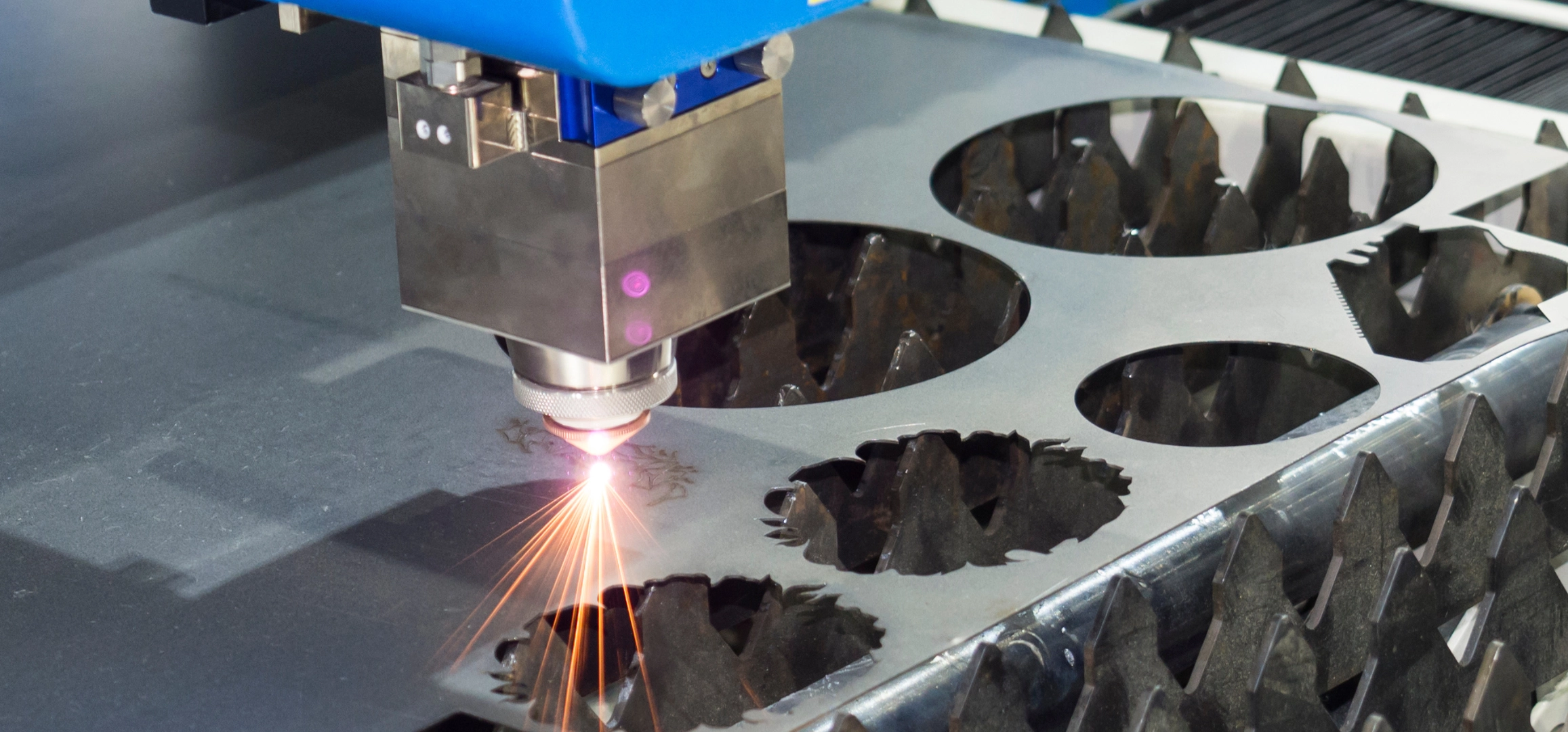
CNC machining has revolutionized the metalworking industry by enabling precise, repeatable, and scalable manufacturing of metal parts. In this article, we explain how it works and its benefits.
Our technical team is ready to help you develop metal parts tailored to your needs.
FORMADOS Y MECANIZADOS S.A. DE C.V.